
How targeted support for women’s leadership is transforming individual trajectories and strengthening parliamentary institutions
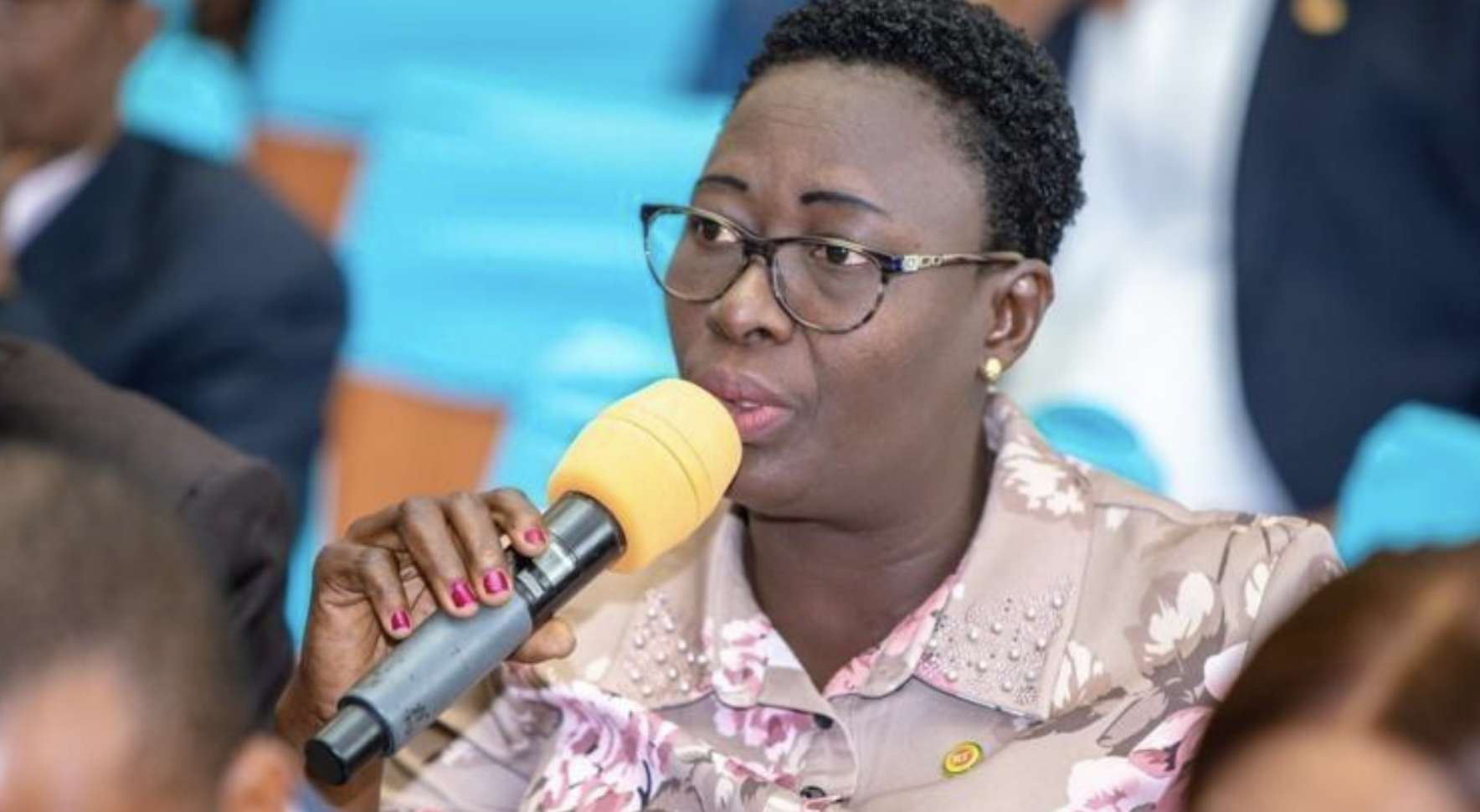
For more than fifteen years, Ms. N’TEFE Bawoma was a key—yet largely unseen—figure within Togo’s National Assembly. Responsible for drafting briefs, reviewing reports, and organizing hearings, she understood the inner workings of legislative processes without ever stepping into the spotlight.
“I had the pen, but not the voice,” she recalls.
Like many women in parliamentary administrations, she helped shape decisions without being in a position to represent them. This reality continues to limit women’s access to decision-making roles in many institutional settings.
The turning point
Public engagement is a cornerstone of democratic governance and in many countries, a constitutional The shift did not happen in the chamber, but in a training room.
Through the training sessions offered by the Inclusive Legislatures for Gender-Responsive Policies (ILGRP) project—funded by Global Affairs Canada and implemented by the Parliamentary Centre in partnership with the African Centre for Parliamentary Affairs (ACEPA)—she began to see her role differently: not only as a technical expert, but as an agent of change.
These trainings, focused on women’s leadership and gender-responsive parliamentary practices, helped her recognize a broader reality: those who understand institutions best are often those furthest from positions of influence.
Determined to change this dynamic, she decided to take the leap and enter politics.
From technical expert to political voice
The transition was not easy. Early reactions were sometimes skeptical. “You are meant to advise, not to lead,” she was told. Yet she persisted.
Her discipline, institutional knowledge, and ability to translate expertise into political leadership gradually set her apart.
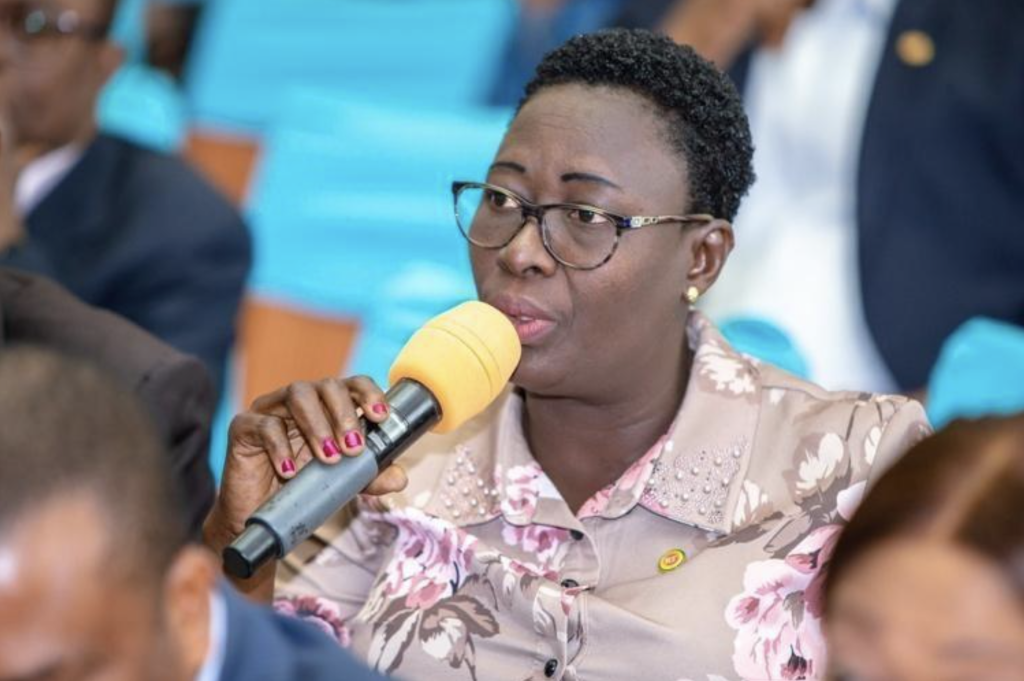
On the night of her election, a symbolic shift took place: the woman who once prepared debates was now leading them.
A trajectory that is reshaping institutions
Today, as a member of the Committee on Finance and Socioeconomic Development, she champions the principles that have long guided her work: transparency, rigor, and equality. She is particularly committed to better resource allocation for women and greater recognition of women in senior public service roles.
“They carry the weight of the state, yet remain invisible,” she notes.
In stepping from the shadows into the spotlight, she did more than change roles—she helped redefine what the role can be.
When she returns to her former office, she shares a message with her colleagues, with a knowing smile: “One day, it will be your turn – get involved, with conviction.”
Through its partnerships, the ILGRP project is helping make that promise a reality. By investing in women’s leadership and supporting gender-responsive institutional reforms, it is creating the conditions for these trajectories to become more common—and more sustainable.
Project funded by Global Affairs Canada.