The Honourable Jean Charest
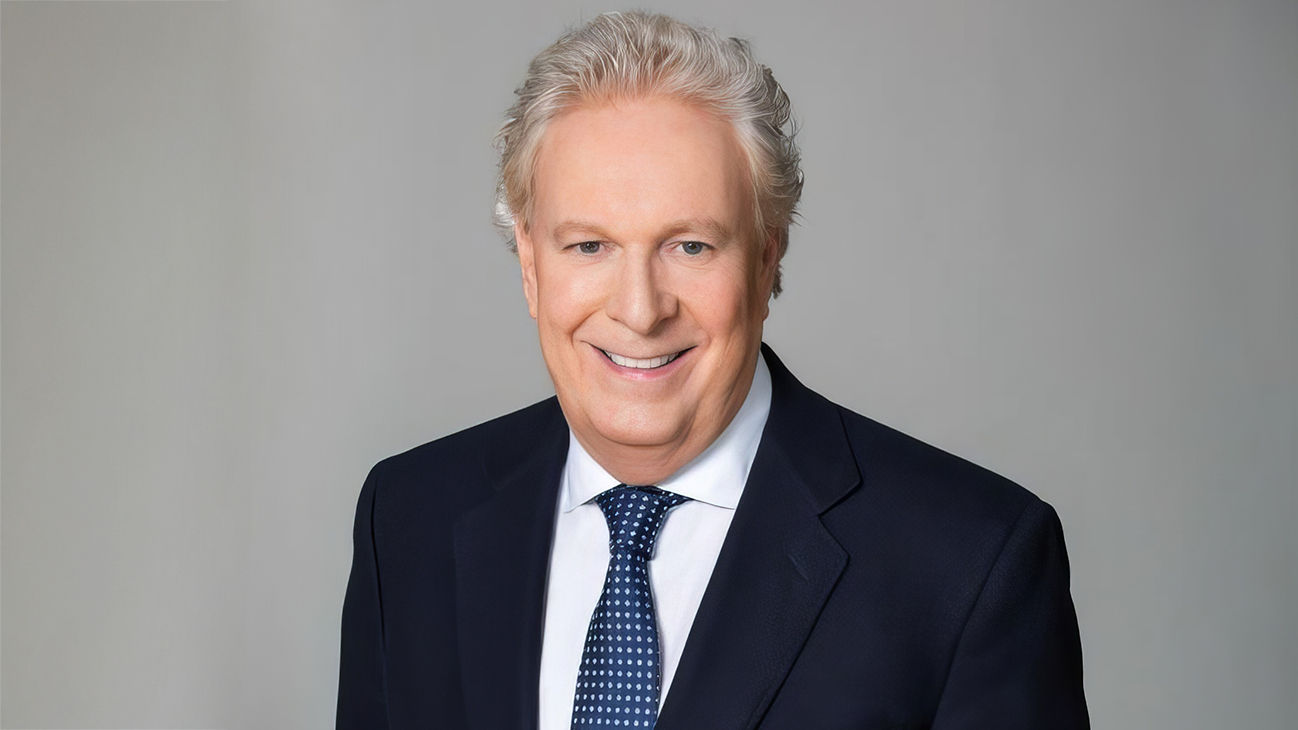
The Honourable Jean Charest
Former Premier of Quebec; Former Federal Minister; Former Leader of the Progressive Conservative Party of Canada
Mr. Charest is one of Canada’s best-known political figures, with a public service career spanning more than 30 years at both the federal level and in the National Assembly of Québec.
He was first elected to the House of Commons in 1984, where he was appointed Deputy Speaker. At age 28, he became Minister of State for Youth, making him the youngest cabinet minister in Canadian history. He also served as Minister of Sport and Deputy Leader of the Government in the House of Commons.
In 1991, Mr. Charest was appointed Minister of the Environment. A year later, he headed the Canadian delegation to the Rio Earth Summit on the Economy and the Environment. Canada was the first G7 country to sign the Framework Convention on Climate Change and Biodiversity.
In 1993, he was appointed Minister of Industry and Deputy Prime Minister of Canada. In 1994, he became leader of the Progressive Conservative Party of Canada. During the 1995 referendum, he served as vice-chairman of the NO committee. In the 1997 federal election, he led the party to win over 20 seats in the House of Commons.
In 1998, Mr. Charest became leader of the Quebec Liberal Party. He won three consecutive mandates in the provincial elections of 2003, 2007 and 2008—an achievement unmatched by any party in 50 years.
Between 2008 and 2012, under Premier Charest’s leadership, Quebec experienced stronger economic growth than the United States, Europe and the rest of Canada, despite the global financial and economic crisis. His government implemented a major infrastructure investment program.
With respect to the environment and climate change, the Charest government positioned itself as a global leader, introducing the first carbon levy in North America and co-founding a carbon trading market with the State of California.
Mr. Charest’s legacy includes a landmark initiative for the sustainable development of Northern Quebec: the Plan Nord. Covering 1.2 million km2—twice the size of France—this plan focuses on the vast territory north of the 49th parallel.
In the energy sector, the Charest government developed several hydroelectric and wind power projects, helping Quebec maintain its position as the world’s fourth-largest producer of clean, renewable hydroelectric power, after China, Brazil and the United States.
The Charest government conducted a strong offensive for Quebec in international politics. Premier Charest led numerous economic missions to emerging countries, including China, India, Russia and Brazil. He was a guest speaker at the World Economic Forum in Davos, where he addressed issues such as the environment, climate change, international trade and labour mobility.
Mr. Charest also participated in four Sommets de la Francophonie, bringing together over fifty governments. He hosted the 2008 summit in the city of Québec. He also initiated an unprecedented labour mobility agreement between France and Quebec, covering more than 80 trades and professions.
One of Mr. Charest’s major achievements on the international stage was his pivotal role in encouraging Canada and the European Union to negotiate an expanded economic partnership, including cooperation agreements, following the failure of WTO negotiations.
A strong advocate for women’s participation in politics, Mr. Charest’s government passed a 2006 law requiring gender parity on the boards of 22 state-owned corporations. In 2007, his 18-member cabinet included as many women as men—a first in Quebec and Canadian history.
Mr. Charest was a lecturer in political science at Concordia University. He is a regular guest speaker